

Residential Electrical Experts
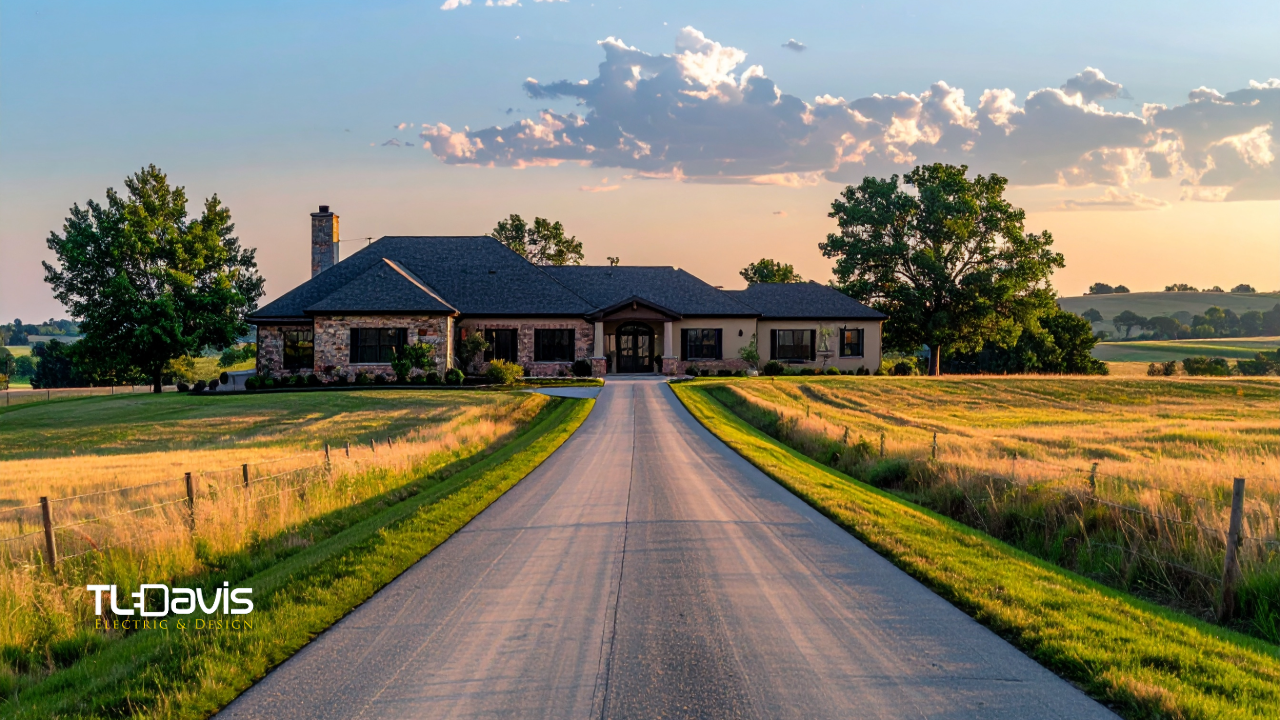
Coweta has some of the most interesting electrical setups in the entire Tulsa area. You get everything here. Homes on acreage with long driveways. Older properties with well pumps and barns. Newer housing developments growing faster than the infrastructure can keep up. And weather that puts every outdoor panel and meter base to the test.
I am Terry Davis, Master Electrician with TL Davis Electric & Design, and Coweta is one of the towns where I see the most unique electrical problems. Most of these problems start small, quietly, and slowly. A flicker here. A voltage dip there. A well pump that does not quite kick on as strong as it used to.
But behind the scenes, something much bigger is happening.
Based on years of fieldwork throughout Coweta, these are the four electrical problems I find more than anything else:
- long feeder runs causing voltage drop
- well pump electrical failures
- weather damage to outdoor panels and meter bases
- older homes with outdated grounding and bonding
Let me walk you through each one, explain why it matters, and help you understand the warning signs before something fails.
Coweta Properties Often Have Long Electrical Runs That Create Voltage Drop
Why Coweta Homes Are More Vulnerable Than Most
A lot of Coweta homes sit on open land. That means the main house, shop, well house, barn, and sometimes even a second structure are all spread out across the property. This creates long electrical runs. And the longer the wire, the more resistance it has.
Resistance means one thing.
Voltage drop.
What Voltage Drop Actually Does
When the voltage drops, equipment draws more current to compensate. That causes:
• breakers to trip
• motors to overheat
• lights to dim
• appliances to struggle
• well pumps to cycle on and off
• HVAC compressors to hard start
Voltage drop is not just inconvenient. It can destroy motors and cause electrical components to fail prematurely.
Common Signs of Voltage Drop in Coweta Homes
Most Coweta homeowners call me because of these symptoms:
Lights dim when a big appliance turns on
When a pump or HVAC unit starts, it pulls a lot of power at once.
Motors hum or struggle to start
This is classic low voltage behavior.
The shop or barn power feels “weaker”
Tools run slower, lights feel dull, welders struggle.
Breakers trip under load even when they shouldn’t
Voltage drop increases current, and increased current trips breakers.
If you see these signs, your property might have long feeders that need upgrading.
Well Pump Electrical Failures Are Extremely Common in Coweta
Why Coweta Well Pumps Fail More Than Others
Coweta has a high number of rural style homes that rely on well water. Well pumps are sensitive machines. They require strong, stable voltage and proper grounding to operate safely. When voltage drop, corrosion, or wiring issues interfere with the pump’s power supply, failure becomes almost inevitable.
What I Find Most Often in Coweta Well Houses
When I get called for well pump issues, I usually find:
• corroded pressure switch wiring
• burned or weakened contacts
• undersized wire feeding the well house
• breakers that have cycled too many times
• loose connections from pump vibration
• deteriorated conduit allowing moisture in
• voltage drop from long distances
A well pump should not need frequent resets. If it does, something electrical is weakening the pump.
The Hidden Cost of Poor Well Pump Wiring
A pump that runs on low voltage overheats constantly. When that happens, the windings inside the motor start to cook. You might not notice anything right away, but eventually the pump will:
• take longer to start
• run noisier
• shut off unexpectedly
• stop delivering strong pressure
• fail completely
Replacing a well pump is expensive. Fixing the electrical issue early is not.
Coweta Weather Causes Serious Damage to Outdoor Panels and Meter Bases
Wind, Rain, and Temperature Swings Beat Up Outdoor Electrical Equipment
Coweta gets everything. Windstorms. Heavy rain. Sudden cold blasts. Long hot summers. Outdoor electrical equipment takes the full hit.
I see weather damage far more often in Coweta than in tighter suburban neighborhoods because many homes have:
• exposed outdoor panels
• older meter bases
• conduit that has cracked over time
• panels mounted on detached buildings
• service masts not protected from the elements
Common Weather Damage in Coweta
Here’s what I find when I open outdoor panels:
Rust on breakers and bus bars
Rust means resistance and resistance creates heat.
Loose service connections after storms
Wind can pull on the mast, loosening the wires inside.
Moisture inside the panel
This causes arcing, breaker failure, and corrosion.
Cracked meter bases
Small cracks allow water intrusion, which accelerates corrosion.
Damaged weather heads
These can pull away from the structure and expose wiring.
Symptoms Homeowners Notice
Weather damaged electrical systems usually show up as:
• flickering lights during storms
• random loss of power to parts of the home
• a burning smell near the panel
• breakers tripping in humid or rainy weather
• appliances malfunctioning during rainy days
Coweta weather is hard on electrical systems, and most outdoor damage goes unnoticed until it becomes a serious hazard.
Older Coweta Homes Often Have Outdated Grounding and Bonding Systems
Why Grounding Matters
Grounding is the foundation of electrical safety. It protects your home from:
• shock hazards
• unstable voltage
• lightning surges
• equipment overload
• electrical fires
Many older Coweta homes were built before modern grounding standards existed.
What I Find in Older Coweta Homes
Single grounding rod
Modern code requires more.
Damaged or missing grounding conductors
Many older rods are rusted, loose, or cracked.
Bonding that has never been installed
Without bonding, metal parts can become charged.
Ungrounded outlets
Especially common in older Collinsville and Coweta homes.
Bad grounding in barns and shops
Detached structures must have separate, correct grounding.
Warning Signs of Grounding Issues
If your home shows any of these symptoms, grounding may be the problem:
• shocks from metal sinks or appliances
• GFCIs tripping constantly
• buzzing or humming at outlets or the panel
• static shocks around the house
• lights that flicker with no clear cause
• surges that damage electronics
Grounding is invisible, but its effects are not.
Why Coweta Homes Need Preventative Electrical Care
Coweta homes have electrical systems that work harder than most. Long distances, well pumps, outdoor equipment, humidity, and storm damage all contribute to unique electrical challenges.
Warning Signs You Should Never Ignore
If you live in Coweta, pay attention to:
• flickering or dimming lights
• pumps that shut off or slow down
• buzzing at the panel
• breakers tripping during storms
• warm outlets
• inconsistent power in barns and shops
• poor pressure from well systems
• lights dimming when HVAC starts
These are all early signs—your system is trying to tell you something.
What I Recommend for Coweta Homeowners
To protect Coweta homes, I often recommend:
• upgrading long feeder runs
• repairing or replacing damaged well house wiring
• replacing rusted or weather beaten outdoor panels
• installing whole home surge protection
• updating grounding and bonding
• rewiring barns and outbuildings
• installing dedicated circuits for pump systems
• upgrading outdated wiring insulation
You do not need all of this at once. But ignoring the signs leads to expensive failures.
If Your Coweta Home Feels “Off,” Trust Your Instincts
Electrical problems rarely appear suddenly. They build slowly. They warn you through flickering, tripping, humming, or inconsistent performance. The danger is not knowing what those signs really mean.
I have worked on hundreds of Coweta homes. I know the patterns. I know the risks. And I know how to fix these issues the right way so your home stays safe and reliable.
Your electrical system should protect your home, not put it at risk. If something in your Coweta home feels wrong, I’m here to help you find the cause and fix it before it becomes a problem.